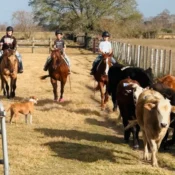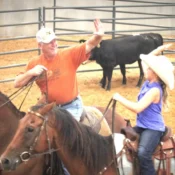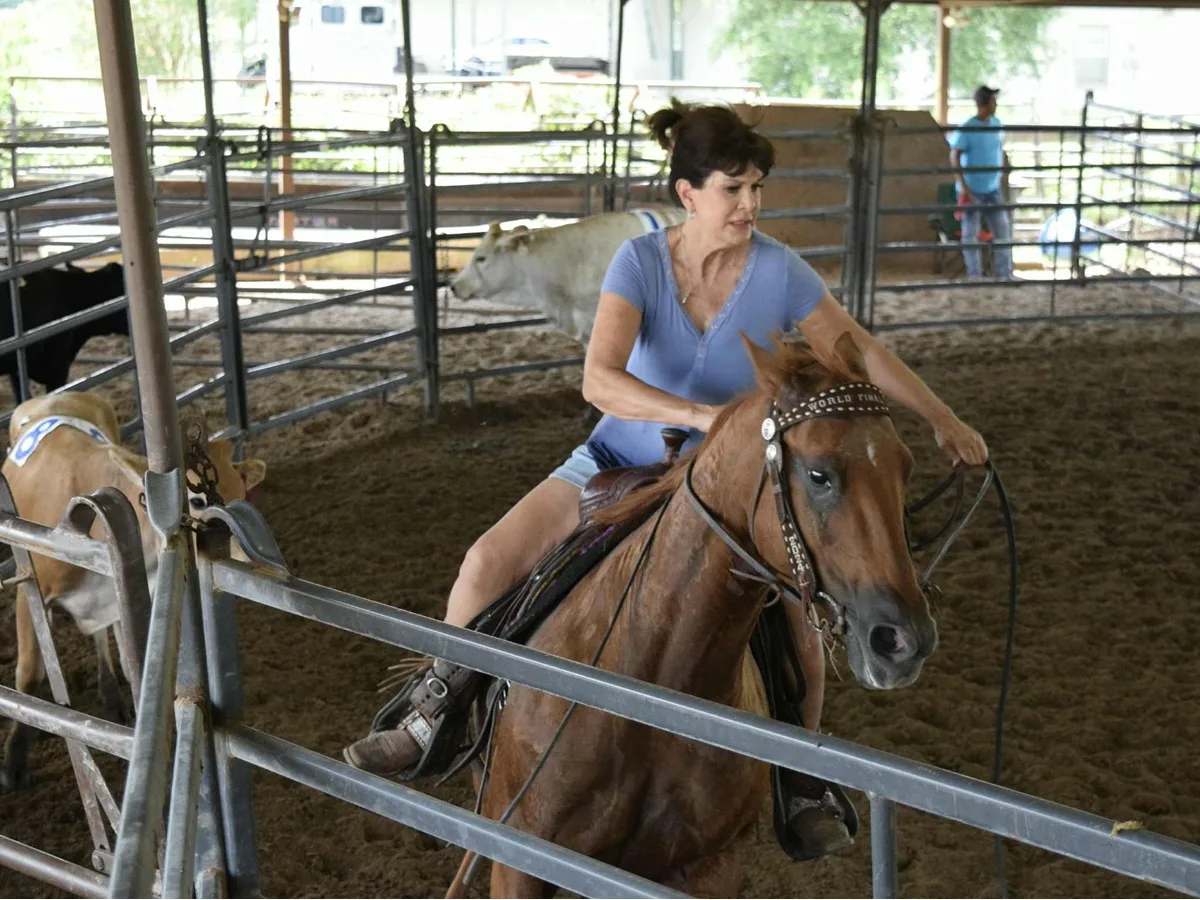
From Flag Work to Live Cattle: Building a Confident and Responsive Ranch Sorting Horse

From Flag Work to Live Cattle: Building a Confident and Responsive Ranch Sorting Horse
Ranch sorting is not just about moving cattle from one side of an arena to another. Behind every successful run is a horse that understands its rider, responds to subtle cues, and remains calm when cattle begin moving unpredictably.
One of the most important developments in modern western horse training is the growing focus on preparing horses before introducing them to live cattle. Instead of immediately placing a horse in a sorting pen, trainers can use groundwork, flag exercises, controlled movements, and confidence-building sessions to establish a stronger foundation.
Whether you are a beginner learning ranch sorting or an experienced rider preparing for competition, understanding this process can make a noticeable difference in your horse’s performance.
Why Is Foundation Training Important in Ranch Sorting?
A common mistake among new ranch sorting riders is focusing too much on cattle movement and not enough on their horse’s preparation.
A horse needs to understand basic riding commands before it can comfortably work around cattle. It should respond to stopping, turning, backing up, changing direction, and adjusting speed without becoming confused or unnecessarily tense.
Foundation training helps develop:
- Better communication between horse and rider.
- Improved responsiveness to leg and rein cues.
- Greater balance and body control.
- Confidence in unfamiliar situations.
- Calm reactions around movement and distractions.
- A stronger partnership during cattle work.
A horse that understands its rider is more likely to make controlled movements when the pressure increases inside the sorting arena.
1. Start With Groundwork Before Getting Into the Saddle
Good ranch sorting preparation begins on the ground.
Groundwork allows trainers to understand how a horse reacts to pressure, movement, and direction before adding the challenges of riding.
Some useful groundwork exercises include:
Leading exercises: Teach your horse to walk beside you without pulling ahead or falling behind.
Backing exercises: Encourage the horse to move backward calmly in response to light pressure.
Personal space awareness: Help the horse understand boundaries and respond respectfully to handler movement.
Desensitization: Introduce unfamiliar objects and movements gradually, without overwhelming the horse.
These exercises establish trust and communication. They also help riders recognize whether their horse is relaxed, distracted, or uncomfortable.
2. How Flag Training Helps Prepare a Ranch Sorting Horse
Flag work is an interesting training method that can help horses become more comfortable with movement and develop better control.
In ranch sorting preparation, trainers may use flags to introduce controlled visual movement and help horses maintain focus.
The purpose is not simply to make a horse tolerate a flag. It is to observe its reactions and teach it to remain attentive to the rider.
Flag exercises can help develop:
- Better attention and focus.
- Confidence around moving objects.
- Controlled responses to pressure.
- Improved transitions.
- Better communication between horse and rider.
Start slowly and work at a distance where the horse remains comfortable. Increase the difficulty gradually rather than forcing the horse to accept something it fears.
3. Develop Better Stops, Turns, and Transitions
Ranch sorting requires more than forward movement.
A rider may need to stop quickly, turn toward a particular cow, move sideways, or change direction within a few seconds.
This is why basic riding control is so important.
Here are some exercises worth including in a regular training routine:
Controlled stops: Practice stopping from a walk and gradually introduce transitions from faster gaits when appropriate.
Circle work: Ride circles in both directions to develop balance and consistent steering.
Directional changes: Practice smooth turns without pulling excessively on the reins.
Transitions: Move between walking, jogging, and other appropriate gaits while maintaining control.
Lateral movement: Introduce side-pass exercises to improve body awareness and positioning.
The objective is not speed. It is accurate movement with minimal confusion.
4. Introduce Your Horse to Cattle Gradually
This is one of the most important stages of ranch sorting horse training.
Not every horse reacts to cattle in the same way. Some horses are naturally curious, while others may become nervous or overly excited when they first encounter a herd.
A proper introduction should happen in a controlled environment with an experienced trainer.
Start by allowing the horse to observe cattle from a comfortable distance. Watch its ears, body language, breathing, and overall attention.
As the horse becomes more comfortable, introduce controlled movement around cattle.
Avoid forcing an inexperienced horse directly into intense sorting situations. A negative first experience can make future cattle work more difficult.
The goal is to help the horse understand cattle movement without unnecessary fear or pressure.
5. Teach Your Horse to Read Cattle Movement
One of the most valuable ranch sorting skills is learning how cattle respond to a horse’s position.
Cattle naturally react to pressure, movement, and the space around them. A rider who understands these reactions can guide cattle more effectively.
For example:
- Approaching from a particular angle can influence which direction a cow moves.
- Moving too close may create unnecessary pressure.
- Losing position can allow cattle to turn back toward the herd.
- Calm, controlled positioning can make sorting more predictable.
Riders should learn to observe cattle behavior rather than constantly chasing individual animals.
This is where practical cattle exposure becomes an important part of ranch sorting education.
6. Build a Better Partnership Between Horse and Rider
A successful ranch sorting team depends on communication.
The rider needs to understand the horse’s reactions, while the horse needs to understand the rider’s signals.
Using excessive rein pressure or aggressive leg cues can create confusion and tension.
Instead, focus on:
- Giving clear and consistent signals.
- Rewarding correct responses.
- Maintaining a balanced riding position.
- Avoiding unnecessary pressure.
- Allowing the horse time to understand new exercises.
Small improvements in communication can make a significant difference when working cattle.
7. Prepare for Real Ranch Sorting Conditions
Once the horse demonstrates sufficient control and confidence, training can gradually become more specific to ranch sorting.
A structured progression may include:
- Working around cattle without sorting.
- Following individual cattle at a controlled pace.
- Practicing positioning near the sorting gate.
- Learning how to hold cattle in a particular area.
- Working with a partner rider.
- Practicing sorting sequences.
- Introducing timed practice when the horse and rider are ready.
This progression helps riders develop practical skills without rushing the learning process.
For competitive riders, it also provides an opportunity to identify weaknesses before entering an actual event.
Common Mistakes to Avoid When Training a Ranch Sorting Horse
Even experienced riders can develop habits that make training more difficult.
Here are some mistakes worth avoiding:
1. Introducing cattle too quickly
A horse needs time to become comfortable with cattle. Rushing the process can create unnecessary stress.
2. Focusing only on speed
Fast movement does not automatically mean good sorting. Correct positioning and timing are equally important.
3. Using excessive rein pressure
Heavy-handed riding can make a horse less responsive and create confusion.
4. Ignoring basic horsemanship
A horse that struggles with stopping, turning, or changing direction may find cattle work more challenging.
5. Practicing without a clear objective
Every session should have a purpose. Whether you are improving stops or developing cattle awareness, focus on one or two skills at a time.
How Often Should You Practice Ranch Sorting?
Consistency is more valuable than exhausting your horse with long training sessions.
The ideal schedule depends on the horse’s age, experience, fitness, and individual needs.
A balanced weekly routine might include:
- Two foundation or riding-control sessions.
- One groundwork or confidence-building session.
- One supervised cattle-work session when appropriate.
- Recovery time and light activity as needed.
This is an example rather than a fixed schedule. Training should always be adjusted to the horse’s condition and progress.
Learning Ranch Sorting in Waller, Texas
For riders interested in developing western riding skills and learning to work cattle, having access to practical instruction can make the learning process more effective.
At Ranch Sorting Lessons in Waller, Texas, riders can explore horseback riding, horsemanship, cattle sorting, private lessons, and regular ranch sorting practice.
Whether you are introducing yourself to ranch sorting for the first time or looking to improve your riding abilities, learning the fundamentals and developing confidence around cattle are important steps.
The right approach focuses on building a partnership between horse and rider rather than simply trying to complete a sorting run as quickly as possible.
Learn more about the available programs at Ranch Sorting Lessons.
Frequently Asked Questions
What is the best way to prepare a horse for ranch sorting?
Start with basic groundwork, riding control, stopping, turning, and transitions. Gradually introduce movement exercises and controlled cattle exposure with experienced supervision.
Is flag training useful for ranch sorting horses?
Flag work can help introduce controlled visual movement and develop focus and confidence. It should be introduced gradually and adjusted to the individual horse.
Can a beginner train a horse for ranch sorting?
Beginners can work on basic riding and groundwork skills, but introducing an inexperienced horse to live cattle should be done with guidance from an experienced trainer.
How long does it take to train a ranch sorting horse?
There is no fixed timeline. It depends on the horse’s age, temperament, previous training, and experience around cattle. Some horses progress quickly, while others need more time.
What makes a good ranch sorting horse?
A good ranch sorting horse should demonstrate responsiveness, balance, confidence around cattle, controlled movement, and the ability to work with its rider.
Final Thoughts
A confident ranch sorting horse is developed through patience, consistent practice, and good horsemanship.
From groundwork and flag exercises to cattle awareness and sorting practice, every stage contributes to a stronger horse-and-rider partnership.
Remember, the goal is not simply to make your horse move faster. It is to help your horse understand your signals, respond calmly, and work confidently around cattle.
With the right foundation and consistent instruction, riders can build the skills needed to enjoy ranch sorting, improve their performance, and develop a more rewarding experience in the arena.
Ready to learn ranch sorting? Explore the horseback riding and ranch sorting opportunities at Ranch Sorting Lessons in Waller, Texas.
All Categories
Recent Posts
From Flag Work to Live Cattle: Building a Confident and Responsive Ranch Sorting Horse