From First Ride to First Sort: A Beginner’s Guide to Building Ranch Sorting Skills
From First Ride to First Sort: A Beginner’s Guide to Building Ranch Sorting Skills
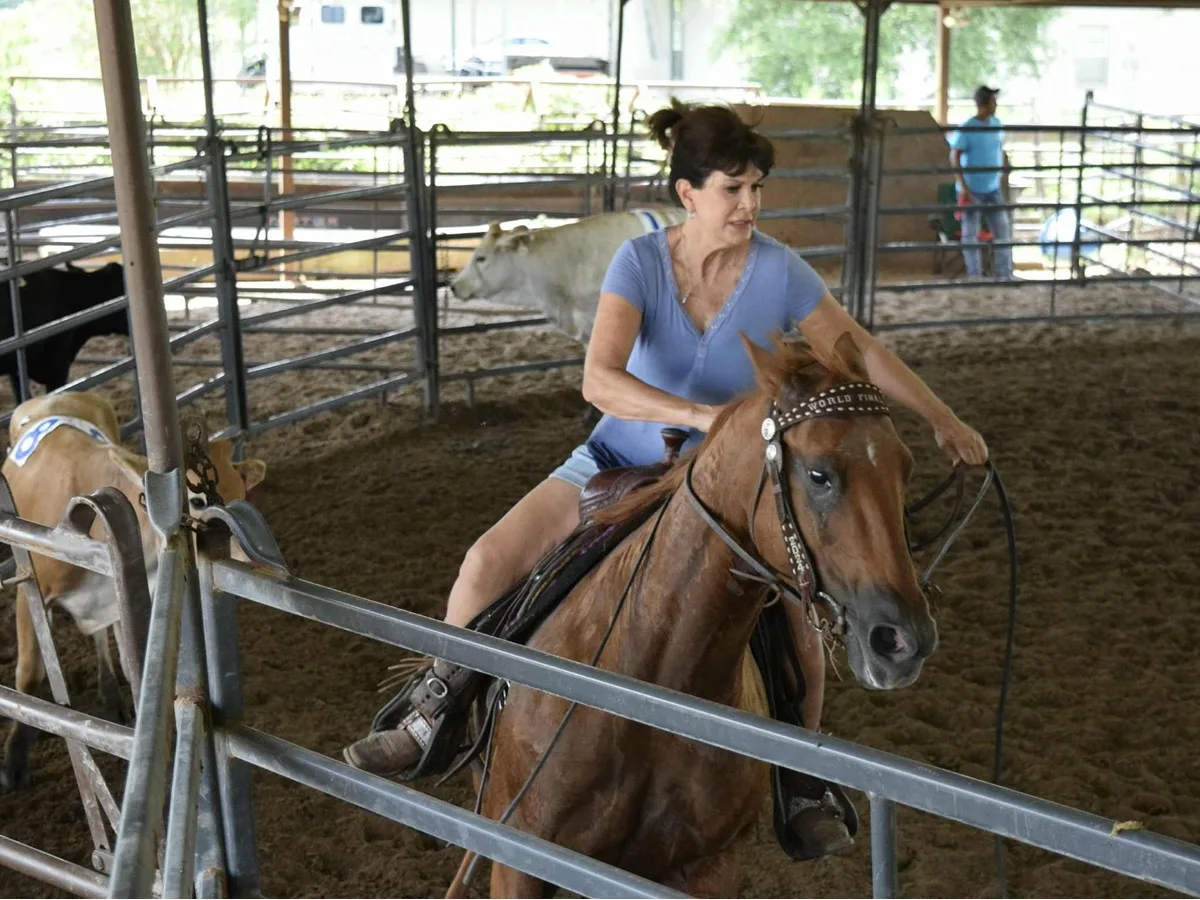
Ranch sorting is more than moving cattle from one pen to another. It is a western riding discipline that combines horsemanship, timing, communication, and teamwork. For beginners, the real challenge is learning how to guide a horse confidently while understanding cattle movement and making smart decisions under pressure.
The good news is that you do not need to be an experienced competitor to start learning. With the right instruction and consistent practice, new riders can gradually develop the skills needed to participate in ranch sorting.
For anyone interested in getting started, ranch sorting drills for beginners offer a practical way to build confidence, improve horse control, and understand the fundamentals of working cattle before moving on to more advanced exercises.
What Makes Ranch Sorting Challenging for Beginners?
At first, ranch sorting may look simple: riders work together to move numbered cattle through an opening in the correct order. However, the activity requires several skills to work together.
Riders must learn to control their horse’s speed, maintain a useful position around the cattle, recognize changes in herd movement, and communicate with their teammate. They also need to remain calm when cattle move unexpectedly.
Beginners often make the mistake of focusing entirely on the cattle. In reality, effective sorting starts with a balanced rider, a responsive horse, and an understanding of positioning.
Building these fundamentals before attempting fast sorting runs can make training more productive and enjoyable.
1. Start With a Horse-Control Drill
Before introducing cattle, riders should become comfortable controlling their horse at a walk and jog. Basic control allows riders to change direction, slow down, stop, and move forward without unnecessary pulling or rushing.
How to practice:
Walk in a straight line while maintaining a balanced seat.
Practice large circles in both directions.
Transition between a walk and a jog using clear, consistent cues.
Practice controlled stops and smooth turns.
Repeat the exercises while keeping your hands relaxed and your eyes looking ahead.
These exercises help beginners develop the control needed to position their horse accurately during a sort.
A horse that responds calmly to its rider makes it easier to focus on cattle movement instead of struggling with basic steering.
2. Learn Positioning With a Cone Drill
One of the most useful early exercises is learning where your horse needs to be. Correct positioning helps riders approach cattle thoughtfully and avoid unnecessary movement that could scatter the herd.
Place several cones in an arena to represent a sorting pen, a gate, and a few working positions.
Try this exercise:
Ride toward a cone at a walk.
Stop at a comfortable distance without crowding it.
Turn your horse away from the cone.
Approach again from a different angle.
Practice moving through a designated opening without touching the cones.
This drill teaches riders to plan their approach, control their horse’s shoulders and direction, and recognize how small changes in position affect movement.
Once the exercise becomes easier, riders can practice different approaches under the guidance of an instructor.
3. Practice Reading Cattle Before Trying to Move Them
Successful ranch sorting depends on understanding how cattle respond to pressure and space. Beginners should learn to observe cattle before attempting to direct them.
Watch how cattle group together, respond to a rider’s approach, and move toward or away from open space. Notice when one animal separates from the group and how the herd reacts.
During supervised cattle practice, focus on these questions:
Which animal appears ready to move?
Where is the open space in the pen?
How close should the horse approach?
When should the rider ease off rather than apply more pressure?
The goal is not to chase cattle. It is to learn how calm, deliberate positioning can encourage movement in the intended direction.
Cattle behavior can be unpredictable, so beginners should practice with suitable cattle, an experienced instructor, and appropriate arena safety measures.
4. Use a Gate-Approach Drill to Improve Accuracy
Moving cattle through an opening is a central part of ranch sorting. However, beginners sometimes approach the opening too quickly or position their horse in a way that blocks the intended path.
A gate-approach drill helps riders understand alignment and direction before adding the pressure of a timed run.
Start by identifying a clear opening in the arena. Ride toward it at a walk, maintain a straight approach, and pass through without rushing. Then practice turning and approaching from the opposite direction.
When riders become comfortable, an instructor can introduce controlled exercises that simulate directing cattle toward the opening.
Focus on accuracy first. Speed becomes more useful after riders can maintain control and make consistent decisions.
5. Try a Teamwork Drill With a Riding Partner
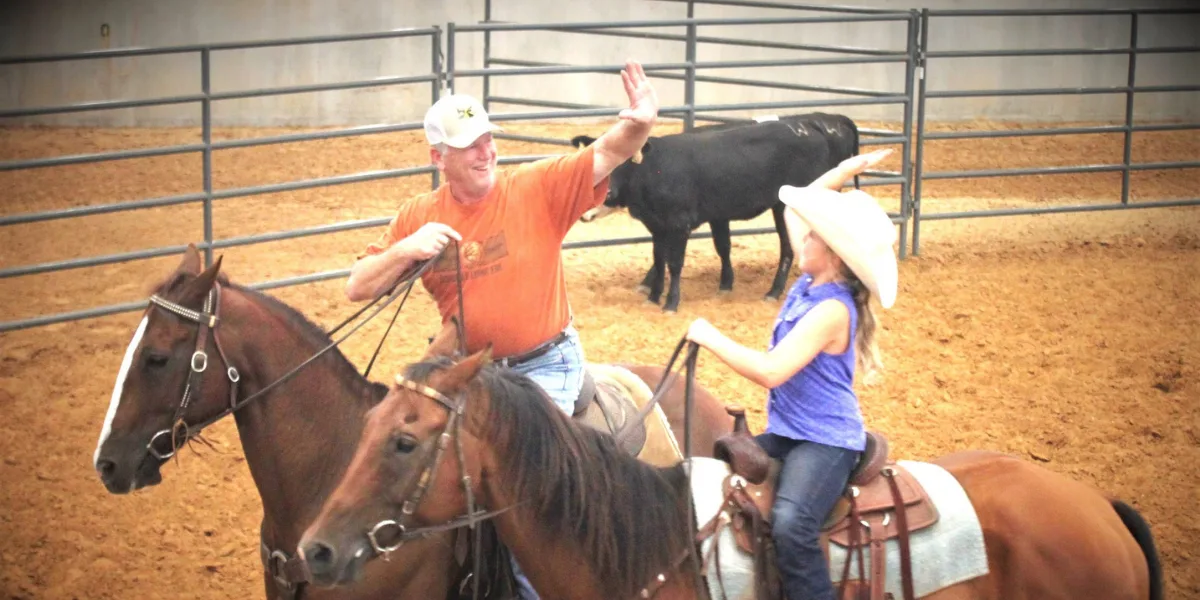
Ranch sorting is often a team activity, and good communication can make a significant difference. Even skilled riders can struggle if they work against each other instead of coordinating their movements.
Beginners can start with a simple arena exercise that uses cones to represent cattle and a sorting opening.
One rider practices guiding the imaginary group toward the opening while the other rider maintains a position that helps prevent the group from moving away from the intended route.
Switch roles after several repetitions.
This exercise helps riders understand spacing, timing, and the importance of avoiding conflicting movements.
When cattle are introduced, riders can build on these skills by learning to coordinate their positions under an instructor’s supervision.
6. Learn to Slow Down and Make Better Decisions
Many beginners believe they need to ride faster to become better at ranch sorting. In practice, rushing often leads to missed opportunities, poor positioning, and unnecessary pressure on the horse and cattle.
A better approach is to focus on making one good decision at a time.
During practice, ask yourself:
Am I in the right position?
Is my horse responding to my cues?
Is the cattle movement taking me toward the goal?
Would slowing down improve control?
After each exercise, take a moment to identify what worked and what needs improvement.
This habit builds awareness and helps riders learn from mistakes instead of repeating them. As confidence improves, riders can gradually introduce more challenging exercises.
7. Build a Simple Weekly Practice Routine
Consistency is more valuable than attempting difficult drills before mastering the basics. A structured routine allows beginners to develop skills gradually without becoming overwhelmed.
Here is an example of a beginner practice session that can be adapted to the rider’s experience and the horse’s fitness.
| Practice activity | Suggested time |
|---|---|
| Warm-up and basic horse control | 10 minutes |
| Cone positioning and turning | 10 minutes |
| Gate-approach practice | 10 minutes |
| Supervised cattle observation or sorting practice | 10–15 minutes |
| Cool-down and review | 5 minutes |
These are suggested time blocks, not a fixed training prescription. Adjust the session according to the horse’s condition, the rider’s experience, and the instructor’s guidance. Beginners should master each exercise before increasing difficulty.
Common Mistakes New Ranch Sorting Riders Should Avoid
Learning a new western riding discipline takes patience. Recognizing common mistakes early can help riders make steady progress.
Chasing cattle instead of positioning correctly: Moving too aggressively can make cattle harder to direct. Learn to use position and controlled pressure.
Looking down at the horse: Riders need to look toward their intended path and stay aware of the cattle and arena.
Using too much rein pressure: Heavy or inconsistent cues can confuse a horse. Work toward clear, balanced communication with help from an instructor.
Focusing on speed too soon: Accuracy and control should come before timed runs.
Ignoring teamwork: A rider’s decisions affect the other teammate. Practice communication and understand each rider’s role.
Skipping basic horsemanship: Steering, stopping, transitions, and balance are essential skills, not optional extras.
Correcting these habits early can help create a stronger foundation for future ranch sorting training.
How Professional Instruction Helps Beginners Progress
Practicing independently can help riders become familiar with basic movements, but working with an experienced instructor offers additional benefits. A qualified coach can identify riding habits that need improvement, help match exercises to the rider’s skill level, and explain how horse positioning influences cattle movement.
Instruction is especially valuable when beginners first work around live cattle. Riders need to understand arena boundaries, safe distances, appropriate horse behavior, and how to respond when cattle move unexpectedly.
At Ranch Sorting Lessons in Waller, Texas, riders interested in western horsemanship and ranch sorting can explore training opportunities suited to their interests and experience. Learning the fundamentals in a supportive environment can help beginners develop confidence before progressing toward more advanced sorting exercises.
Visit us to learn more about available training opportunities.
Frequently Asked Questions
What are the best ranch sorting drills for beginners?
Beginners can start with basic horse-control exercises, cone-positioning drills, gate approaches, cattle-observation exercises, and teamwork practice. These activities build control and awareness before riders attempt more demanding sorting patterns.
Can a beginner learn ranch sorting without previous competition experience?
Yes. Competition experience is not a prerequisite for learning. New riders should begin with appropriate horsemanship instruction and gradually progress to supervised cattle work as their riding skills improve.
Do I need a special horse for ranch sorting?
A calm, responsive, suitably trained horse is a good starting point. Horse suitability depends on the rider’s experience, the training environment, and the demands of the activity. An experienced instructor can help assess whether a particular horse is appropriate.
How often should beginners practice ranch sorting?
A consistent schedule that allows time for rest, reflection, and skill development is generally more useful than occasional, overly demanding sessions. The ideal frequency depends on the rider’s experience, the horse’s workload, and professional guidance.
Can I practice ranch sorting drills without cattle?
Yes. Cone exercises, steering drills, controlled stops, turns, gate approaches, and teamwork simulations can help riders develop useful skills without live cattle. These exercises cannot completely replace cattle work, but they provide a foundation for supervised practice.
Where can I learn ranch sorting in Waller, Texas?
Riders can explore ranch sorting and horsemanship training opportunities through Ranch Sorting Lessons in Waller, Texas. Visit https://ranchsortinglessons.com/ for information about the business and its services.
Final Thoughts
Becoming a confident ranch sorting rider is a gradual process. Strong fundamentals, thoughtful positioning, an understanding of cattle behavior, and effective teamwork are more important at the beginning than speed or competition results.
By incorporating simple exercises into a consistent training routine, beginners can develop better horse control, improve their decision-making, and prepare for supervised cattle sorting.
Whether your goal is to enjoy a new western riding activity or eventually participate in ranch sorting competitions, start with the basics, seek qualified instruction, and build your skills one practice session at a time.
The best progress comes from learning to ride with purpose—not simply riding faster.
All Categories
Recent Posts
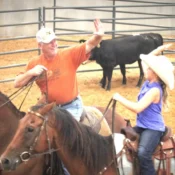
From First Ride to First Sort: A Beginner’s Guide to Building Ranch Sorting Skills